
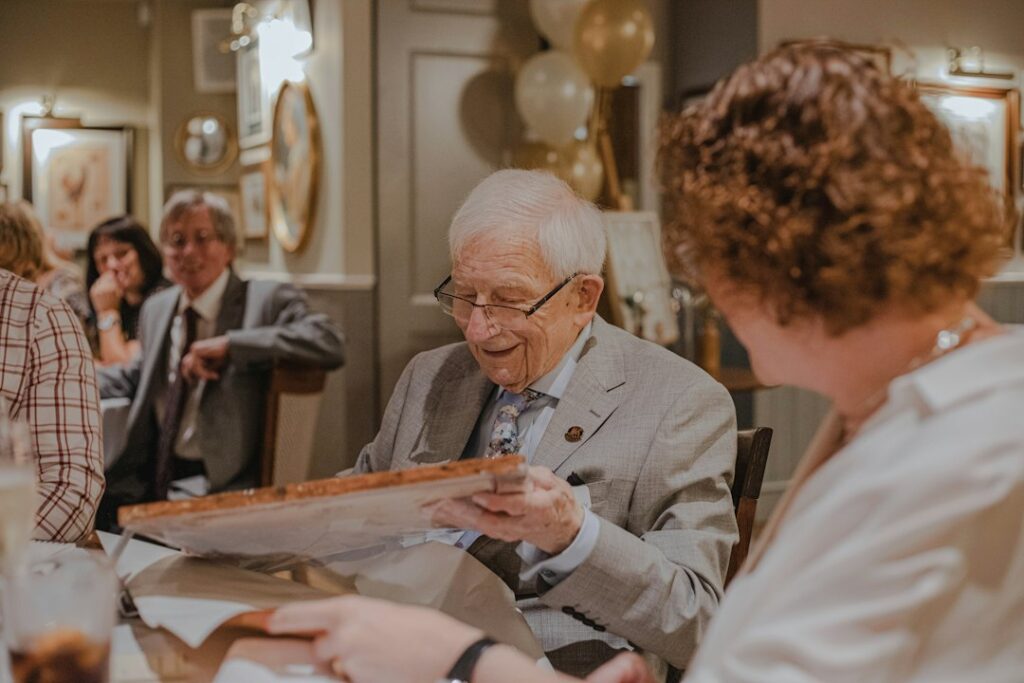
What does social isolation look like in older adults?
Social isolation means having few regular contacts or limited opportunities to interact with others. Loneliness is the personal feeling of being disconnected, even when other people are nearby. Assisted living can help address both problems by creating dependable daily opportunities for conversation, shared activities, and practical support.
Isolation does not always look obvious. An older adult may still speak with family by phone yet spend most days alone. Warning signs can include:
- Losing interest in hobbies or regular routines
- Eating most meals alone
- Rarely leaving the apartment or home
- Speaking less during conversations
- Missing appointments or social plans
- Showing changes in sleep, appetite, mood, or personal care
- Expressing that there is little reason to get up or go out
These changes may result from several factors at once. Retirement, the death of a spouse or friend, hearing loss, mobility limitations, chronic illness, and driving concerns can all reduce a person’s social contact.
How does assisted living create regular social contact?
Assisted living provides a residential setting where older adults encounter familiar people throughout the day. This repeated contact matters because meaningful relationships often develop through small, ordinary interactions rather than occasional special events.
A resident may speak with neighbors in a hallway, share a meal, participate in an activity, or exchange a few words with staff members. These brief moments can provide reassurance and help establish a sense of belonging.
Regular routines may include:
- Shared meals in a dining area
- Group discussions, games, crafts, or music
- Exercise and movement sessions
- Seasonal celebrations and cultural activities
- Quiet spaces for reading or conversation
- Outdoor time when weather and mobility allow
- Opportunities to help with simple community tasks
The value is not limited to organized programming. A predictable environment makes it easier for residents to see the same people repeatedly, recognize familiar faces, and form relationships at a comfortable pace.
Why are shared meals helpful?
Eating with others can support both nutrition and emotional well-being. A shared dining setting gives residents a natural reason to leave their living space and interact without needing to plan a separate social outing.
Mealtimes also create informal conversation. Residents may discuss family, weather, local events, recipes, or memories. For someone who has been eating alone, this routine can restore structure to the day.
In Hellertown, seasonal conditions can affect how often older adults leave home independently. Cold temperatures, snow, rain, heat, and uneven walking surfaces may make outside activities less appealing or less safe. Having an accessible place for meals indoors can reduce the amount of time a resident spends alone during difficult weather.
Shared dining does not work equally well for everyone. Some residents may need quieter seating, assistance with hearing or vision challenges, or extra time to become comfortable in a group. Respectful choices about seating and mealtime pace can make participation easier.
Can assisted living help older adults who are shy or withdrawn?
Yes, but social participation should not be forced. A person who is quiet may need gradual introductions, smaller groups, or activities connected to existing interests.
Staff and family members can look for low-pressure opportunities, such as sitting near others during a program, joining a small card game, attending a music session, or having a conversation with one other resident. A resident may first participate as an observer before becoming more involved.
Withdrawal can also signal depression, anxiety, grief, pain, medication effects, hearing difficulty, or cognitive changes. Social isolation should not automatically be treated as a personality issue. A noticeable change in behavior deserves thoughtful attention, especially if it continues or affects eating, sleep, safety, or daily functioning.
What role do activities play in preventing isolation?
Activities can provide structure, purpose, and a reason to connect. The most useful programs are varied and adaptable rather than focused on keeping everyone busy.
Older adults may benefit from activities that support different abilities and preferences, including:
- Gentle movement, stretching, or walking
- Art, gardening, puzzles, or handwork
- Discussion groups and current-events conversations
- Singing, listening to music, or dancing
- Cooking demonstrations and familiar food traditions
- Reminiscence activities using photographs or household objects
- Educational talks and technology practice
- Intergenerational visits or family-centered events

Activities are more likely to encourage connection when residents have meaningful choices. Someone who dislikes competitive games may enjoy conversation, music, or helping prepare materials. Someone with limited mobility may prefer an activity held close to their apartment or in an easily accessible room.
Purpose also matters. Helping arrange books, welcoming a new resident, watering plants, or sharing a skill can help an older adult feel needed rather than simply entertained.
How can assisted living support residents with mobility or transportation concerns?
Mobility limitations often reduce social contact because leaving home becomes difficult. An assisted living setting can bring meals, activities, and other residents closer together, reducing the need for driving or navigating unfamiliar places.
This can be especially helpful for older adults who no longer drive, feel uncomfortable walking long distances, or have trouble using steps. Accessible hallways, seating areas, elevators, handrails, and transportation arrangements may make participation more realistic.
Families should still ask practical questions about accessibility. Useful topics include:
- How far residents must walk to meals and activities
- Whether mobility devices can be used comfortably
- How residents reach outdoor areas
- What transportation is available for errands or appointments
- How weather affects outdoor travel
- What support is available if a resident becomes less mobile
Social connection depends partly on physical access. An activity cannot reduce isolation if a resident cannot safely reach it.
Does assisted living replace family involvement?
No. Assisted living can provide daily social contact, but family relationships remain important. Relatives often contribute personal history, emotional support, and continuity during major life changes.
Visits do not need to be lengthy or elaborate. Regular phone calls, shared meals, looking through family photographs, or taking a short walk can help maintain connection. For residents with hearing loss, written notes, captions, or video calls with clear audio may work better than ordinary phone conversations.
Family members can also share useful information about a resident’s interests, former routines, friendships, and preferred conversation topics. This helps staff and neighbors find natural ways to include someone who is hesitant or unfamiliar with group activities.
What should families watch for after a move?
A move can temporarily increase loneliness, even when the new setting offers more opportunities for interaction. Adjustment may take time. Residents may miss their former home, neighborhood routines, pets, familiar belongings, or nearby relationships.
During the first weeks, families can watch for:
- Avoiding meals or activities
- Spending nearly all day in the apartment
- Frequent requests to return home
- Confusion about schedules or surroundings
- Irritability, sadness, or unusual fatigue
- Difficulty hearing or following group conversations
A calm conversation can reveal whether the problem is loneliness, discomfort, pain, fear, sensory loss, or a mismatch between activities and interests. Changes that are sudden, severe, or persistent should be discussed with an appropriate healthcare professional because isolation and health problems can affect each other.
For older adults and families in Hellertown, the central question is not simply whether a residence offers activities. It is whether the daily environment makes connection accessible, respectful, and meaningful. Consistent contact, shared routines, mobility support, family involvement, and attention to individual preferences can help reduce the risk that an older adult spends too much time alone.
