
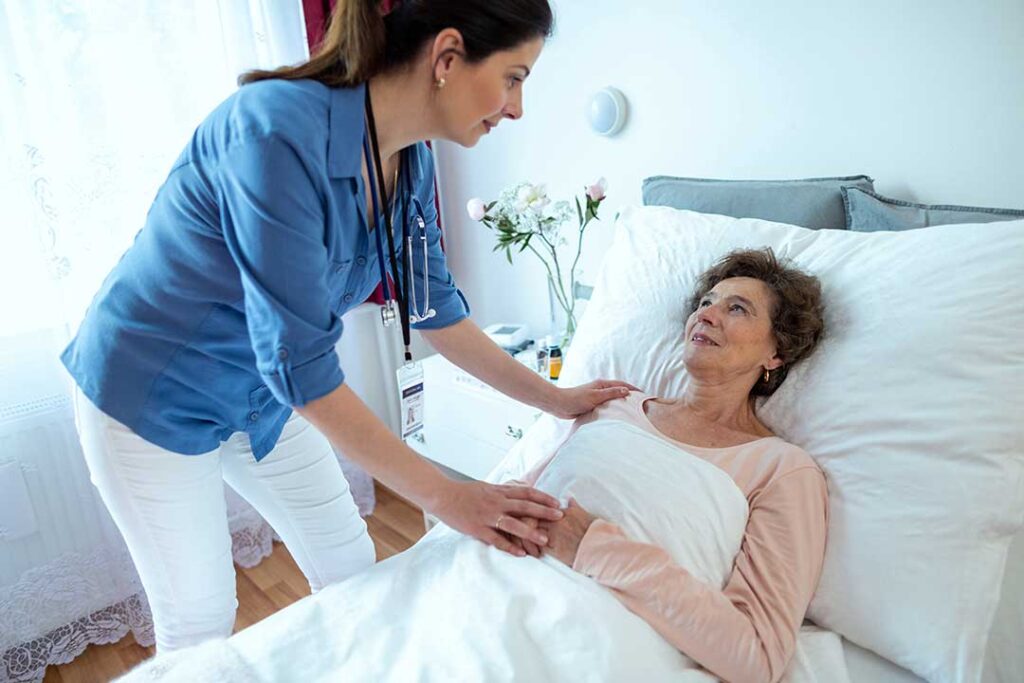
What role do volunteers play in assisted living communities?
Volunteers help create connection, comfort, and participation in assisted living communities. Their contributions may include spending time with residents, supporting activities, assisting with events, reading aloud, or helping families and staff maintain a welcoming social environment.
Volunteers do not replace trained caregivers, nurses, medication staff, or other employees. Instead, they add personal attention and community involvement that can be difficult to provide during every part of a busy day.
For residents and families in Hellertown, PA, understanding the volunteer role can make it easier to recognize what volunteers may and may not do within an assisted living setting.
How can volunteers improve residents’ daily experiences?
A volunteer’s presence can reduce isolation and give residents more opportunities for meaningful interaction. Even a short conversation or shared activity may help a person feel noticed and included.
Common forms of volunteer support include:
- Visiting with residents who enjoy conversation
- Reading newspapers, books, poems, or letters aloud
- Playing cards, board games, or simple table games
- Helping with crafts, music, gardening, or seasonal activities
- Accompanying residents to an approved group program
- Assisting with community events and social gatherings
- Writing letters or helping residents connect with distant family members
- Sharing hobbies such as knitting, drawing, photography, or playing an instrument
The value is often found in consistency rather than complexity. A volunteer who visits at a regular time may become a familiar and reassuring part of a resident’s routine.
Do volunteers provide personal care or medical assistance?
Generally, volunteers are not responsible for medical care, medication administration, transferring residents, bathing, toileting, or other hands-on personal care unless a specific task is permitted by the community and the person has the required training and authorization.
Volunteer responsibilities should be clearly defined. Staff members remain responsible for care decisions, health concerns, emergency response, and supervision of residents’ personal needs.
A volunteer may notice that a resident appears unwell, confused, distressed, or unusually tired. The appropriate response is to notify a staff member rather than attempting to diagnose the problem or provide treatment.
This boundary protects residents and volunteers. It also helps prevent well-intentioned assistance from creating a fall risk, privacy concern, or health complication.
What types of volunteer programs are common?
Volunteer programs vary according to the community’s size, resident interests, staffing, available space, and local participation. Some programs are organized around scheduled activities, while others focus on regular individual visits.
Examples may include:
Friendly visiting
Friendly visitors spend time with residents who appreciate conversation, companionship, or quiet activities. Visits may be especially meaningful for residents whose family members live far away or cannot visit frequently.
Activity support
Volunteers may prepare supplies, explain game rules, help residents participate, or assist with cleanup. The volunteer’s role is usually to encourage participation rather than take control of the activity.
Intergenerational programs
Students and younger community members may visit for conversation, art projects, music, storytelling, or shared learning. These visits can provide residents with contact across generations while helping younger participants develop patience and awareness.
Seasonal and holiday programs
Volunteers may help with decorations, performances, cards, craft projects, or community celebrations. In a region such as Hellertown, seasonal weather can sometimes affect travel and attendance, so indoor activities and flexible scheduling are useful during colder months or periods of heavy rain.
Spiritual, cultural, or interest-based visits
Some volunteers support approved spiritual, cultural, language, or hobby-related programs. Participation should always respect a resident’s preferences and should never pressure anyone to join.
What training do assisted living volunteers usually receive?
Training requirements differ according to the volunteer’s duties and the community’s policies. Even volunteers who only provide companionship generally need orientation before spending time with residents.
Orientation may cover:
- Resident privacy and confidentiality
- Infection prevention and hand hygiene
- Emergency procedures
- Fall prevention and safe movement around the building
- Appropriate communication with people who have hearing, vision, memory, or speech changes
- Recognizing and reporting suspected abuse, neglect, or exploitation
- Boundaries involving money, gifts, transportation, and personal relationships
- Rules for photographs, social media, and sharing resident information
Volunteers may also need background checks, health screenings, immunization documentation, or additional instruction for specialized activities. A person who volunteers with residents experiencing memory loss may require guidance on redirection, communication, and responding to distress.
How should volunteers communicate with residents?

Good volunteer communication is respectful, patient, and resident-led. A volunteer should introduce themselves, explain the purpose of the visit, and allow the resident to decide whether to participate.
Helpful practices include:
- Speak directly to the resident rather than only to a family member or staff person.
- Use a calm voice and allow extra time for responses.
- Ask before touching a resident or moving personal belongings.
- Offer choices instead of giving commands.
- Avoid correcting every minor mistake or testing a person’s memory.
- Respect religious, cultural, dietary, and personal preferences.
- Accept that a resident may be tired, distracted, or uninterested on a particular day.
A resident’s participation can change from day to day. Declining a visit or activity is not necessarily a sign that something is wrong. Volunteers should respect the decision and inform staff if a change seems unusual or concerning.
Can volunteers help residents stay connected to the local community?
Yes. Volunteers can help residents maintain a sense of connection beyond the assisted living building. This may include bringing local news for discussion, supporting civic or cultural programs, helping residents prepare questions for community events, or sharing information about seasonal activities that are accessible to older adults.
Local connection can be especially valuable for residents who have lived in the area for many years and want to continue discussing familiar neighborhoods, weather patterns, community traditions, or changes they have observed over time. Volunteers who listen carefully can help preserve these personal histories without assuming that every resident has the same interests or background.
Transportation is a separate matter. Volunteers should not drive residents unless the arrangement is formally approved, properly insured, and consistent with community policy. Informal transportation can create safety, liability, and accountability concerns.
What should families ask about a volunteer program?
Families may want to ask how volunteers are screened, trained, supervised, and matched with residents. Useful questions include:
- What tasks may volunteers perform?
- Which activities are supervised by staff?
- How are privacy and confidentiality protected?
- How are concerns or incidents reported?
- Can residents decline volunteer visits?
- Are volunteers allowed to accept gifts or handle money?
- What happens if a volunteer becomes unavailable?
- Are there special procedures for residents with memory loss or mobility limitations?
The answers can help families understand the difference between companionship and care. They can also clarify how a resident’s preferences, routines, and safety needs are incorporated.
What are common misunderstandings about volunteering?
A common misunderstanding is that volunteers are informal caregivers. Volunteers may provide valuable companionship, but they typically do not assume responsibility for a resident’s health care, personal care, finances, or legal decisions.
Another misconception is that every resident wants frequent social interaction. Some residents prefer quiet time, one-on-one visits, or activities connected to a specific hobby. Others may feel overwhelmed by large groups or unfamiliar people.
Volunteering also does not guarantee friendship or immediate participation. Trust may develop slowly, particularly for residents who are grieving, adjusting to a new living environment, or experiencing memory changes.
The most effective volunteer programs combine warmth with clear boundaries. Residents receive additional opportunities for connection, while trained staff remain responsible for care, safety, and supervision.
